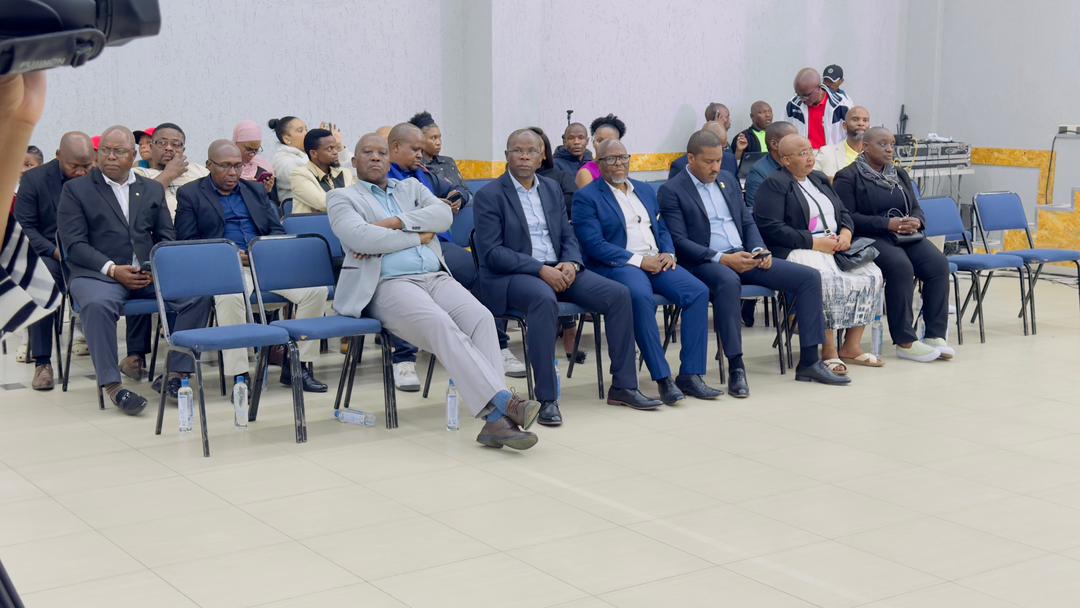
Maseru, Lesotho — The ongoing sports cooperation between National Olympic Committees (NOCs) in Southern Africa continues to demonstrate how strategic partnerships can transform youth sport and athlete development across the region. The recent Maseru National Youth Games once again highlighted the tangible benefits of the Memorandum of Understanding (MoU) between the Lesotho National Olympic Committee (LNOC) and the Eswatini Olympic and Commonwealth Games Association (EOCGA) — a partnership now in its second year.
This collaboration has opened valuable opportunities for young athletes to compete, exchange knowledge, and gain experience in a supportive regional setting. Athletes participated across multiple sporting codes, including Athletics, Taekwondo, Chess, and Boxing, showcasing emerging talent and the growing depth of youth sport within ANOCA Zone VI.
The Power of Regional Cooperation
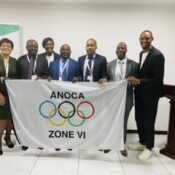
The MoU between the two NOCs stands as a model of effective regional cooperation — one that aligns with the broader mission of ANOCA Zone VI to build strong, sustainable athlete development pathways. Through such partnerships, countries are able to share expertise, strengthen technical capacity, and ensure that young athletes are not only prepared for regional events but are also groomed to transition into elite levels of competition.
The Games further provided a platform for exchange among coaches, administrators, and sports leaders, reinforcing how cross-border initiatives can elevate standards in coaching, talent identification, and athlete welfare.
Investing in the Future of African Sport
Youth games play a pivotal role in shaping tomorrow’s champions. They serve as both a training ground and an inspiration point for athletes to pursue excellence on the continental and global stage. When supported by strategic MoUs, such initiatives contribute directly to the long-term vision of developing holistic, well-supported athletes who can represent their countries with pride and competitiveness.
As the collaboration between Lesotho and Eswatini continues to grow, there is strong optimism that similar agreements can be replicated across the Zone VI region — enabling more nations to benefit from shared programmes, regular exchanges, and youth-centered sporting experiences.
“The success of the Maseru National Youth Games reaffirms that structured partnerships like MoUs are not just administrative tools — they are bridges to opportunity, growth, and excellence for Africa’s next generation of athletes.”
The spirit of cooperation witnessed in Maseru stands as a beacon for the region: when nations work together, sport thrives, and athletes rise.